
What are the most common misconceptions about oral hygiene
1. Brushing Harder Doesn’t Mean Cleaner Teeth
Brushing harder doesn’t mean your teeth are cleaner—in fact, it can cause more harm than good. Many people think that using force will scrub away more plaque, but plaque is soft and can be removed with gentle brushing. Brushing too hard can lead to two significant problems: enamel erosion and gum damage.
Your tooth enamel is the hardest substance in your body, designed to protect your teeth from daily wear and tear. However, enamel is not indestructible. Over-brushing with too much pressure can wear down the enamel over time, especially when using a hard-bristled toothbrush. Once enamel is lost, it doesn’t grow back, and this can lead to increased tooth sensitivity. People often notice sensitivity to hot, cold, sweet, or acidic foods when their enamel has worn thin.
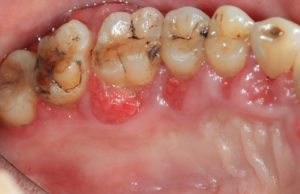
The second issue with brushing too hard is gum recession. When you scrub your gums with too much force, it can cause the delicate tissue to recede. Gum recession exposes the roots of the teeth, which are not covered by protective enamel, making them vulnerable to decay and sensitivity. Receding gums can also increase your risk for gum disease, as plaque can more easily gather below the gum line, leading to gingivitis and periodontitis over time.
So, what’s the right way to brush? The American Dental Association (ADA) recommends brushing for two minutes, twice a day, using a soft-bristled toothbrush. Hold the brush at a 45-degree angle to your gums and use short, gentle strokes, moving the toothbrush back and forth over the outer, inner, and chewing surfaces of your teeth. Make sure you also gently clean your tongue to remove bacteria that can cause bad breath.
In terms of overall health, the effects of over-brushing may not seem obvious at first, but they can be long-lasting. Enamel erosion, for example, may lead to the need for dental fillings, crowns, or even root canals if decay progresses deep into the tooth. Gum recession, if untreated, can lead to tooth mobility and eventual tooth loss. Furthermore, gum disease has been linked to more serious systemic conditions like heart disease and diabetes.
The bottom line is that you don’t need to brush hard to keep your teeth clean. Plaque can be easily removed with gentle brushing, and taking care of your gums is just as important as taking care of your teeth. Regular dental checkups will also help to identify any early signs of enamel erosion or gum recession, so you can address issues before they become more serious.
2. Flossing is Essential for Oral Health
Flossing is a crucial part of maintaining good oral hygiene, yet it’s often overlooked. While brushing your teeth twice a day is essential for removing plaque from the surfaces of your teeth, flossing is the only way to remove plaque and food particles from between your teeth and along the gum line. These areas are highly susceptible to plaque buildup, and failing to floss can lead to cavities and gum disease.
Plaque is a sticky film of bacteria that forms on your teeth. When you eat, the bacteria in plaque use the sugars in food to produce acids. These acids can wear away at the enamel on your teeth, leading to cavities. Plaque also irritates the gums, causing inflammation, which is the first stage of gum disease, known as gingivitis.
Without flossing, plaque can harden into tartar, a calcified substance that sticks to teeth and can only be removed by a dentist or dental hygienist. Tartar buildup along the gum line can cause gingivitis to progress into periodontitis, a more severe form of gum disease. Periodontitis can lead to the destruction of the bone and tissues that support your teeth, eventually causing tooth loss if left untreated.
How should you floss correctly? The ADA recommends using about 18 inches of dental floss, winding most of it around the middle finger of one hand and the rest around the middle finger of your other hand. Gently guide the floss between your teeth, curving it around the base of each tooth and sliding it under the gum line. Use a clean section of floss for each tooth and avoid snapping or forcing the floss, as this can irritate your gums.
Many people ask if they can skip flossing if they use mouthwash or an electric toothbrush. While these tools are great additions to your oral hygiene routine, they can’t replace the effectiveness of floss. Flossing is the only way to thoroughly clean between your teeth and prevent plaque buildup in those hard-to-reach areas.
In terms of overall health, poor oral hygiene can have far-reaching effects. Gum disease has been linked to systemic health conditions, including heart disease, stroke, and diabetes. The bacteria from an infected mouth can enter the bloodstream, leading to inflammation in other parts of the body. By flossing regularly, you not only protect your teeth and gums but also improve your overall health.
Remember, flossing is quick, easy, and essential. It takes only a few minutes each day and can prevent costly dental treatments down the road. If you find traditional floss difficult to use, there are alternatives like floss picks, water flossers, or interdental brushes that can help keep your teeth and gums healthy.
3. Seeing a Dentist Only When in Pain is Dangerous
Many people believe that they only need to see a dentist when something hurts, but waiting until you’re in pain can be a dangerous misconception. By the time you feel pain in your teeth or gums, the problem may have already become severe. Pain is a late symptom of many dental issues, meaning that early stages of tooth decay, gum disease, or even oral cancer can go unnoticed without regular dental checkups.
Dental diseases like cavities (tooth decay) and gum disease (gingivitis and periodontitis) often start with little to no symptoms. Cavities begin as soft spots in the enamel that don’t cause discomfort until they progress deeper into the tooth. Similarly, gum disease starts as gingivitis, which may cause subtle signs like slight bleeding when brushing or flossing, but not severe pain. If left untreated, these conditions can escalate to more serious problems, such as infections, abscesses, tooth loss, or bone deterioration.
How often should you see a dentist? The American Dental Association recommends that most people visit the dentist every six months for a cleaning and checkup. These routine visits allow your dentist to detect early signs of decay, gum disease, oral cancer, and other dental health issues before they become serious. Early detection often means that treatments can be simpler, less expensive, and less invasive.
During a dental checkup, your dentist examines your teeth, gums, and mouth for any signs of problems. They may also take X-rays to detect issues that aren’t visible to the naked eye, such as cavities between teeth or problems with the roots of your teeth. Regular cleanings are also essential for removing plaque and tartar buildup that brushing and flossing alone can’t remove. Tartar can irritate your gums and lead to gum disease if left untreated.
One common issue people face when delaying dental visits is tooth infections. These infections occur when decay reaches the tooth’s pulp, where the nerves and blood vessels are located. At this point, you may experience severe tooth pain, swelling, or sensitivity. In many cases, a root canal or extraction is necessary to save the tooth. If the infection spreads, it can lead to more serious health problems, including sepsis, which is a life-threatening condition.
What are the broader health implications? Dental problems don’t just affect your mouth—they can impact your overall health. Gum disease, for example, has been linked to several systemic conditions, including heart disease, diabetes, and respiratory issues. The bacteria that cause gum infections can enter your bloodstream and contribute to inflammation in other parts of the body. Additionally, untreated infections in the mouth can weaken your immune system, making you more vulnerable to other illnesses.
In conclusion, waiting for pain to see the dentist can lead to serious consequences. By visiting your dentist regularly for checkups and cleanings, you can prevent small problems from turning into painful, costly, and potentially dangerous issues. Don’t wait for symptoms—be proactive about your oral health and overall well-being by keeping up with routine dental care.
4. Sugar is Not the Only Cause of Cavities
It’s a common misconception that only sugary treats cause cavities, but in reality, any food that contains carbohydrates can contribute to tooth decay. While sugar is a major culprit in cavity formation, other foods like bread, pasta, fruit, and even dairy products can also lead to cavities if proper oral hygiene isn’t maintained.
Cavities, also known as dental caries, are caused by bacteria in the mouth that feed on carbohydrates. When you eat, the bacteria break down carbohydrates into simple sugars, which they use to produce acids. These acids wear away at the tooth enamel, creating small holes or soft spots that can eventually become full-blown cavities.
Foods high in refined sugars, like candy, soda, and desserts, are notorious for causing cavities because they provide a direct source of sugar for the bacteria. However, starchy foods like bread, crackers, and chips can also be broken down into sugars by enzymes in your saliva. These starches tend to stick to your teeth, giving bacteria more time to produce acids and attack your enamel. Even fruits and vegetables, which are generally healthy, contain natural sugars that can contribute to cavities if they linger on your teeth for too long.
What can you do to prevent cavities? The most effective way to prevent cavities is to maintain good oral hygiene. This includes brushing your teeth twice a day with fluoride toothpaste, flossing daily, and visiting your dentist regularly for checkups and cleanings. Fluoride helps strengthen enamel and makes it more resistant to acid attacks from bacteria. It’s also a good idea to limit sugary and starchy snacks between meals, as frequent snacking can provide a constant supply of sugar for bacteria.
Drinking water, especially fluoridated water, can help wash away food particles and reduce the acidity in your mouth. Chewing sugar-free gum can also stimulate saliva production, which naturally helps neutralize acids and remineralize your enamel.
It’s important to note that cavities can develop in anyone, regardless of diet, if oral hygiene is poor. This is why even people who avoid sugary foods can still get cavities. Genetics also play a role in how susceptible you are to tooth decay. Some people have naturally weaker enamel or less saliva production, both of which can increase the risk of cavities.
How do cavities affect your overall health? If left untreated, cavities can lead to more serious dental problems, such as tooth infections and abscesses. In some cases, the bacteria from an infected tooth can spread to other parts of the body, causing complications such as sinus infections or, in rare cases, more serious infections that can affect the heart or brain.
Cavities can also have an impact on your quality of life. Severe tooth decay can cause pain, difficulty eating, and even tooth loss, which can affect your ability to chew and speak properly. Missing teeth can also lead to shifts in your bite, increasing the risk of jaw pain and other dental issues.
In conclusion, sugar isn’t the only cause of cavities—any carbohydrate can contribute to tooth decay if proper oral hygiene isn’t maintained. By brushing, flossing, and limiting sugary and starchy foods, you can help prevent cavities and keep your teeth healthy.
5. Caring for Baby Teeth is Crucial for Future Dental Health
Some parents believe that baby teeth, or primary teeth, don’t need much care because they’ll eventually fall out, but this is a dangerous misconception. Baby teeth play a crucial role in your child’s oral health and development, and neglecting them can lead to problems that affect adult teeth and overall health later in life.
Baby teeth serve several important functions. First, they help children chew and eat properly. Healthy baby teeth are essential for proper nutrition, as they allow children to break down food and absorb nutrients efficiently. They also aid in speech development, helping children form sounds and words correctly.
Perhaps most importantly, baby teeth act as placeholders for the adult teeth that will eventually replace them. If a baby tooth is lost too early due to decay or trauma, the surrounding teeth may shift into the empty space. This can lead to crowding or misalignment of the adult teeth, potentially requiring orthodontic treatment later on. In some cases, crooked adult teeth can also affect your child’s bite, leading to issues with chewing, speaking, and even jaw pain.
How should you care for your child’s baby teeth? It’s important to start a good oral hygiene routine as soon as your child’s first tooth appears. The American Academy of Pediatric Dentistry recommends brushing your child’s teeth twice a day with a small, soft-bristled toothbrush and a pea-sized amount of fluoride toothpaste. For children under two, use a smear of fluoride toothpaste about the size of a grain of rice. Be sure to gently clean their gums and tongue as well to remove bacteria and food particles.
Flossing should begin when two teeth touch, typically around age two or three. Regular dental checkups are also essential for monitoring your child’s oral health and catching any issues early. Your child’s first dental visit should be around their first birthday or within six months of their first tooth erupting. Pediatric dentists can also apply fluoride treatments and dental sealants to help prevent cavities in vulnerable areas.
What are the consequences of neglecting baby teeth? Cavities in baby teeth can cause pain, infections, and difficulty eating. If left untreated, these infections can spread to the surrounding tissues, causing more serious health problems. In rare cases, untreated dental infections can become life-threatening if they spread to the bloodstream.
Poor oral health in childhood can also lead to anxiety about dental visits, which may persist into adulthood. Children who experience dental pain or undergo extensive dental treatments at a young age may develop a fear of the dentist, making it harder to maintain good oral health as they grow older.
In conclusion, caring for baby teeth is crucial for your child’s oral and overall health. Establishing a good oral hygiene routine early on will help set the foundation for a lifetime of healthy teeth and gums. Regular dental checkups, a balanced diet, and proper brushing and flossing will ensure that your child’s baby teeth remain healthy until their permanent teeth are ready to come in.
6. Bleeding Gums Are a Sign of Gum Disease, Not a Normal Occurrence
Many people think that it’s normal for gums to bleed occasionally while brushing or flossing, but this is actually a sign of gum disease. Healthy gums should not bleed during regular oral care. If you notice bleeding, it’s an indication that your gums are inflamed, which is often caused by plaque buildup along the gumline.
The early stage of gum disease is called gingivitis, and it’s characterized by redness, swelling, and bleeding of the gums. Gingivitis is caused by the bacteria in plaque, the sticky film that forms on your teeth throughout the day. If plaque isn’t removed through regular brushing and flossing, it can irritate the gums, leading to inflammation and bleeding.
Fortunately, gingivitis is reversible with good oral hygiene. Brushing twice a day, flossing daily, and seeing your dentist for regular cleanings can remove plaque and reduce inflammation. However, if left untreated, gingivitis can progress into periodontitis, a more serious form of gum disease that can cause permanent damage.
Periodontitis occurs when the plaque and tartar buildup spreads below the gumline, creating pockets of infection. Over time, this can cause the gums to pull away from the teeth, leading to bone loss and eventual tooth loss. Advanced gum disease can also increase your risk for other health problems, including heart disease, stroke, diabetes, and respiratory issues.
What should you do if your gums are bleeding? The first step is to improve your oral hygiene routine. Make sure you’re brushing your teeth thoroughly but gently, using a soft-bristled toothbrush. Floss every day to remove plaque from between your teeth and along the gumline. If your gums are sensitive or bleeding when you floss, continue flossing gently—over time, the inflammation should subside as your gums become healthier.
If your gums continue to bleed or if you notice other signs of gum disease, such as bad breath, receding gums, or loose teeth, you should schedule an appointment with your dentist. Professional cleanings are essential for removing tartar and treating gum disease in its early stages. Your dentist may also recommend special mouthwashes or other treatments to reduce inflammation and help your gums heal.
In conclusion, bleeding gums are not normal and are a sign of gum disease. By addressing the issue early with proper oral care and regular dental visits, you can prevent gum disease from progressing and protect both your oral health and your overall well-being.
7. Chewing Gum Does Not Replace Brushing
Chewing sugar-free gum can be beneficial for oral health, but it’s not a substitute for brushing and flossing. Chewing gum, especially gum that contains xylitol, helps stimulate saliva production. Saliva plays a crucial role in protecting your teeth by neutralizing acids, washing away food particles, and helping to remineralize your enamel. However, gum does not physically remove plaque from the surfaces of your teeth in the same way that brushing and flossing do.
Plaque is a sticky film of bacteria that forms on your teeth after eating. If it’s not removed by brushing and flossing, it can harden into tartar, which can lead to cavities and gum disease. Chewing gum may help wash away food particles and reduce the acidity in your mouth, but it cannot remove plaque or clean between your teeth.
When is chewing gum helpful? Sugar-free gum, particularly those with xylitol, can help reduce the risk of cavities by increasing saliva production. Xylitol is a natural sweetener that also inhibits the growth of the bacteria that cause cavities. Chewing gum can be a useful tool for people who suffer from dry mouth or don’t have immediate access to a toothbrush after eating. However, it’s not a replacement for thorough cleaning.
Proper oral hygiene requires both brushing and flossing. Brushing your teeth twice a day for two minutes with fluoride toothpaste removes plaque from the surfaces of your teeth, while flossing once a day removes plaque and food particles from between your teeth and along the gumline. These steps are essential for preventing cavities, gum disease, and bad breath.
If you rely solely on chewing gum, you’re missing the most important aspects of oral care—removing plaque and keeping your gums healthy. While chewing gum can freshen your breath and temporarily reduce the acidity in your mouth, it’s not enough to keep your teeth and gums healthy in the long term.
In conclusion, chewing gum is a helpful addition to your oral care routine, but it cannot replace brushing and flossing. Regular brushing, flossing, and dental checkups are the key to maintaining healthy teeth and gums. Chewing sugar-free gum can help support your oral health by increasing saliva production and reducing acid, but it should be used as a supplement, not a substitute, for proper oral hygiene.